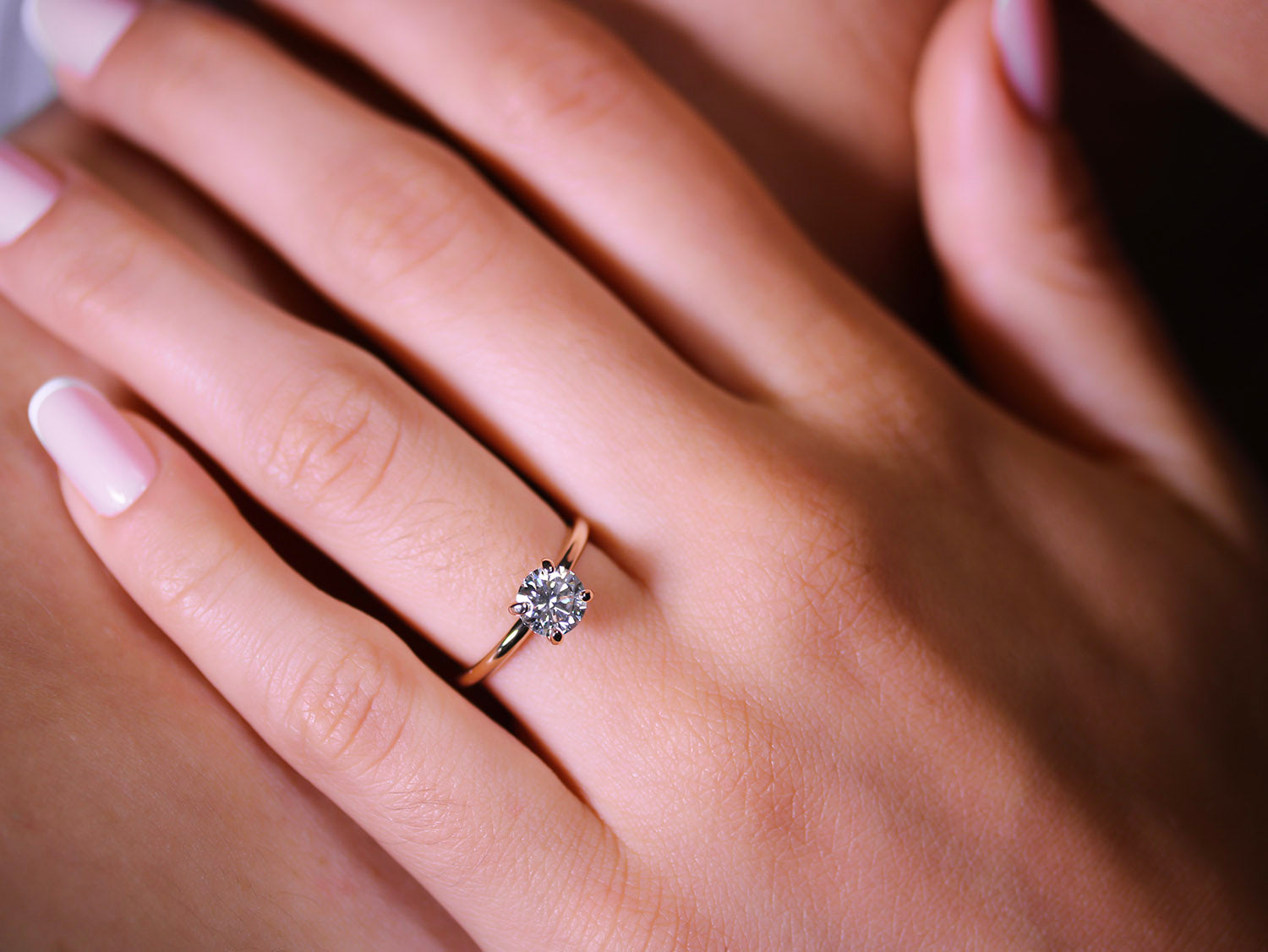

Choosing a diamond is rarely about finding the highest grade on a certificate. The more useful approach is to understand how cut, colour, clarity, carat weight, shape and setting work together to create the appearance you want.
For shoppers researching lab diamonds Madrid, laboratory-grown diamonds provide another way to choose diamond jewellery while comparing individual stones by measurable characteristics. They are real diamond material, but they are created in controlled environments rather than formed through geological processes underground.
Understanding how these diamonds are made and graded can make it easier to compare engagement rings, loose stones and other diamond jewellery without relying only on carat weight or appearance in a photograph.
What Exactly Is a Lab-Grown Diamond?
A lab-grown diamond is diamond material produced under controlled conditions using technology designed to create the environment needed for diamond crystal growth.
Lab-grown diamonds should not be confused with diamond simulants such as cubic zirconia or moissanite. Those are different materials. A laboratory-grown diamond has the characteristic crystal structure and chemical composition associated with diamond.
For buyers, the practical difference between laboratory-grown and natural diamonds mainly concerns origin. Natural diamonds form through geological processes, while laboratory-grown diamonds are produced using technological growth methods.
Both still need to be evaluated individually. A lab-grown origin does not automatically tell you whether a particular diamond has excellent cut, attractive proportions or the visual characteristics you prefer.
How Are Laboratory-Grown Diamonds Created?
Two major methods are commonly associated with laboratory-grown diamond production: Chemical Vapour Deposition (CVD) and High Pressure High Temperature (HPHT).
CVD Diamonds
Chemical Vapour Deposition involves growing diamond material in a controlled chamber using carbon-rich gases. Diamond crystal develops progressively under carefully man made diamonds conditions.
HPHT Diamonds
High Pressure High Temperature uses conditions designed to reproduce the high pressure and temperature associated with diamond formation.
Neither method automatically produces a better diamond. Two stones grown using the same process can still differ in colour, clarity, proportions and overall appearance. Buyers should therefore assess the individual diamond rather than treating CVD or HPHT as a quality grade.
The 4Cs Still Matter
The traditional 4Cs remain useful when comparing laboratory-grown diamonds: cut, colour, clarity and carat weight.
Cut influences how effectively a faceted diamond handles light. For shapes where formal cut grading is available, the cut information can be particularly useful, but proportions and visual appearance also deserve attention.
Colour describes the degree of colour observed in a diamond under a grading system. A higher colour grade is not automatically necessary for every ring. The setting metal, diamond shape and personal preference can affect how noticeable colour appears.
Clarity concerns internal characteristics, known as inclusions, and external characteristics. Some clarity features are difficult to notice without magnification, so comparing actual appearance can be more useful than chasing a grade simply because it is higher.
Carat weight measures weight, not physical dimensions. Two diamonds with identical carat weights may look different in size from above because shape and proportions influence visible spread.
For someone comparing lab diamonds Madrid, looking at these characteristics together provides more useful information than judging a stone by carat weight alone.
Which Diamond Shape Works for Your Ring?
Shape changes both the character of a ring and how large a diamond may appear from the top.
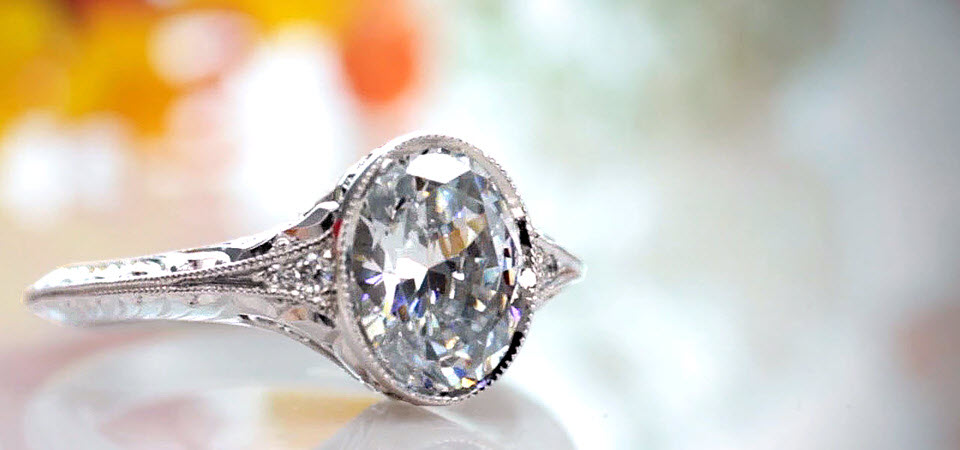
Round brilliant diamonds have a classic symmetrical outline. Oval diamonds offer an elongated profile, while emerald cuts create a more geometric appearance with broad, step-cut facets. Radiant and cushion cuts provide different combinations of angular or softened outlines and faceting styles.
Pear, princess and marquise shapes offer further alternatives for buyers who want something different from a traditional round stone.
Rather than asking which shape is universally best, consider three practical questions:
- Does the shape suit the ring design you prefer?
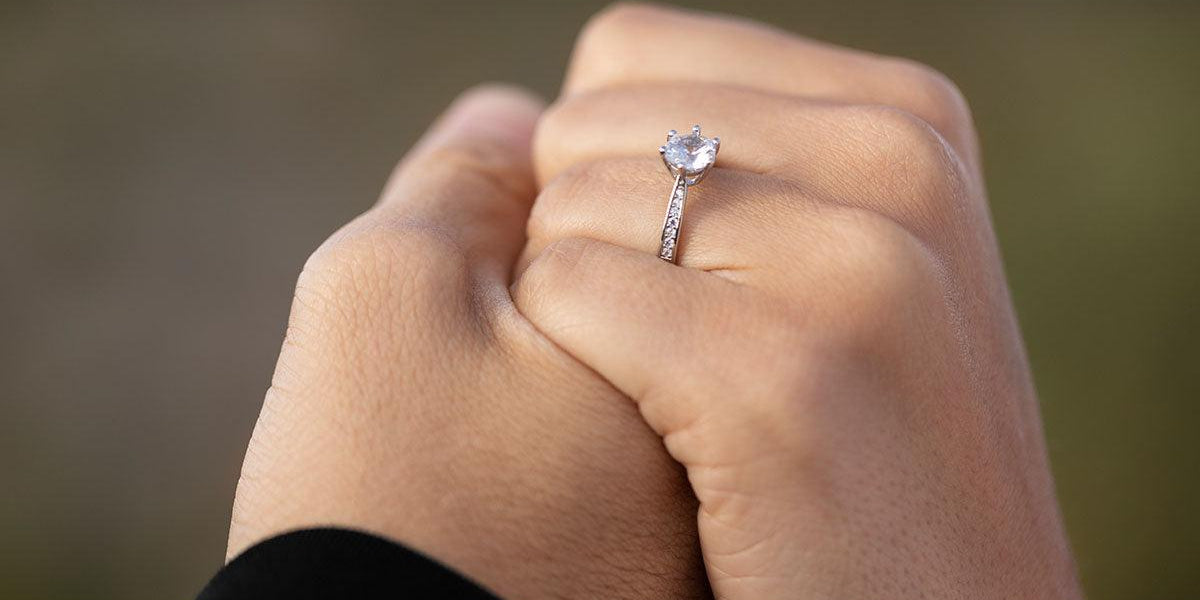
- Do you like how its proportions look on the finger?
- Does the individual diamond perform visually in normal viewing conditions?
The measurements listed on a grading report can also help when comparing stones of similar carat weight.
Why Diamond Grading Reports Deserve Attention
An independent grading report provides documented information about an individual diamond. Depending on the laboratory and stone, this can include carat weight, colour, clarity, measurements and other grading details.
Organisations such as GIA and IGI issue reports for laboratory-grown diamonds, although their terminology, report formats and grading practices can differ.
A grading report should be treated as an information tool rather than a guarantee that you will personally find a diamond beautiful. It also does not guarantee future resale value or investment performance.
When comparing two diamonds, check that the grading information corresponds to the specific stone being offered. Then consider the report alongside photographs, videos or an in-person view where available.
Choosing a Setting and Metal
The diamond is only one part of an engagement ring. Its setting affects protection, appearance and everyday wear.
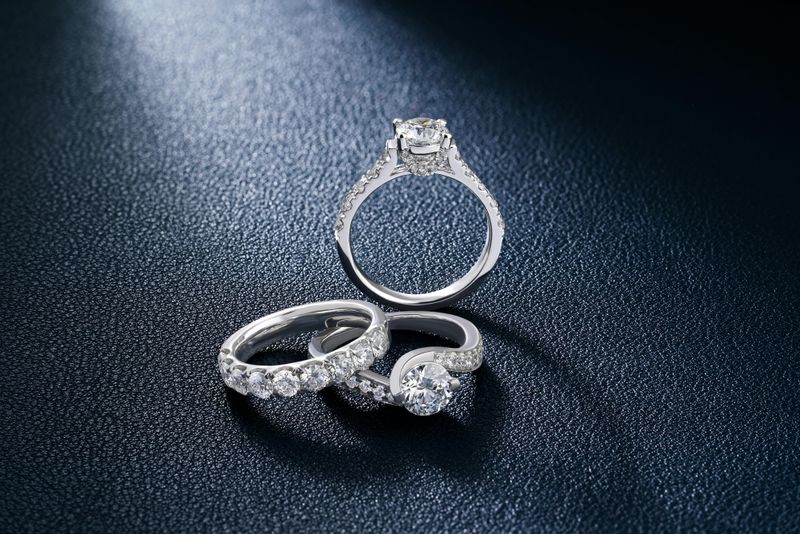
A solitaire keeps attention on the centre stone. Halo designs surround the centre with smaller stones, while pavé settings add smaller diamonds along parts of the band. Bezel settings surround more of the diamond’s edge and create a distinctive, enclosed appearance.
Metal choice also changes the overall look. White gold and platinum can create a bright, neutral setting, while yellow gold adds warmer contrast. Rose gold produces another warmer-toned option.
Practical factors matter too. Before purchasing a finished ring, check the metal specification, ring size, resizing conditions and aftercare information provided by the retailer.
What Should Madrid Buyers Check Before Purchasing?
A useful comparison goes beyond the headline specifications. Before selecting a loose diamond or finished engagement ring, review the details that affect both appearance and ownership.
Check the diamond’s exact carat weight, colour and clarity grades, measurements, proportions and grading information. If the growth method or post-growth treatments are disclosed, understand what those descriptions mean rather than assuming they indicate quality by themselves.
For a completed piece of jewellery, also examine the setting metal, ring specifications and available product information. Retailer policies concerning returns, resizing, warranties, shipping and after-sales assistance should be read directly before placing an order because these conditions can vary.
Price should also be compared in context. Diamond pricing can reflect carat weight, cut, colour, clarity, shape, proportions, grading information, setting, metal, design complexity and retailer factors. A lower or higher price alone does not explain why two diamonds differ.
The most useful buying decision comes from comparing the complete stone and jewellery specifications against your preferred appearance, design and budget rather than pursuing a single maximum grade.