
Lab Grown Diamonds Buyer Guide
Diamonds made in labs? They’re actual diamonds. Same makeup as ones dug from the ground. How they come into being sets them apart. Picking a ring means this fact weighs in. What you get isn’t some imitation. A stone just as strong, clear, and bright lands in your hands. Figuring out lab made diamonds becomes easier with this walkthrough – picking one that matches what you want feels less like guessing when details unfold step by step.
Lab Grown Diamonds Explained
A lab grown diamond begins life inside a high-tech chamber. Deep beneath Earth’s surface, heat and pressure shape regular diamonds – this mimics that force. One way uses intense pressure combined with high temperature. Another method relies on gas stirred by energy until layers form slowly
- High Pressure High Temperature
- Chemical Vapor Deposition
A single carat from a lab tests just like one pulled from the earth when checked the usual way. These two ways of making stones result in gems that match natural versions down to their chemical makeup.
Buyers Pick Lab Grown Diamonds
Chances are you’re weighing what gives more worth. Here’s where lab made stones shine. A lower price tags along. Think 30 up to 50 percent below natural ones with matching ratings. Choices shift because of it. Now possibilities open wider
- A bigger rock fits your wallet just fine. One step up in size works out okay. Size jumps without extra cost happen now and then. Go large if the price stays put. Bigger looks better when funds stay fixed
- Upgrade clarity or color without overspending
- Start with how it looks, not what you give up. Shape comes before sacrifice every time. Skip the trade-offs. Build around appearance first. Let form lead, never settle
A bigger stone might fit your budget if it comes from a lab grown diamonds of underground. For instance, what costs the same as an eight-tenths natural diamond could get you a one-point-two grown one.
Quality Means More Than Just Shine
Born in labs, these stones match nature’s scale. Check the details just like before
- Cut
- Color
- Clarity
- Carat
The way a diamond is cut makes the biggest difference. Light bounces inside based on that shape. Grades for color start at D, go to Z. Buyers often pick stones from D up to H. Marks inside matter most when it comes to clarity. Often, VS1 or VS2 makes sense for daily wear. Size means carat weight. Larger doesn’t shine more if the shape misses precision. Think of it like light trapped wrong – even a 1-carat piece cut right outglows one that’s 1.3 but shaped dull.
Certification Matters More Than Expected
Certification matters every time. Buying a diamond without a grading report means taking a chance. Reports from IGI or GIA help – those labs grade with consistency. When there’s no certificate, it’s impossible to know if the price matches reality. Say two stones appear alike on screen; still, their clarity or cut might differ once certified.
Lab grown diamonds in modern engagement rings
A ring’s shape holds just as much weight as its gem. When looking at what cushion cut engagement rings Australia, lab made stones open up options. Attention shifts easily to personal taste
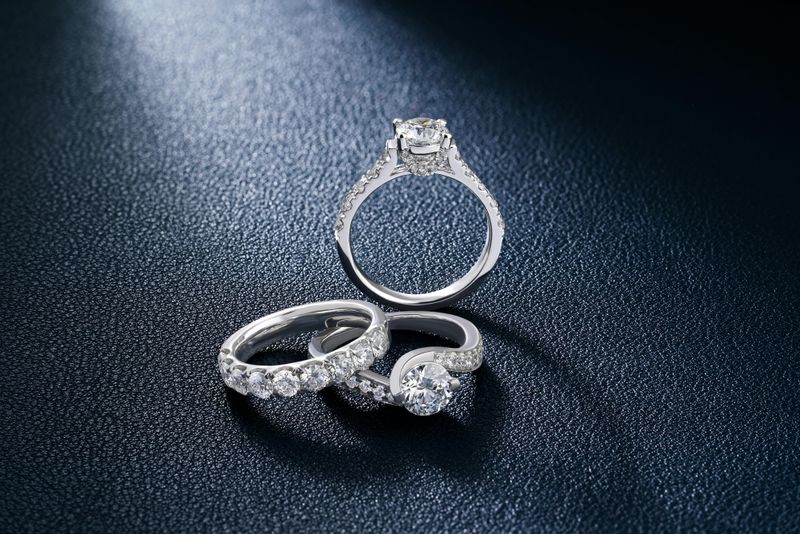
- Halo settings for extra sparkle
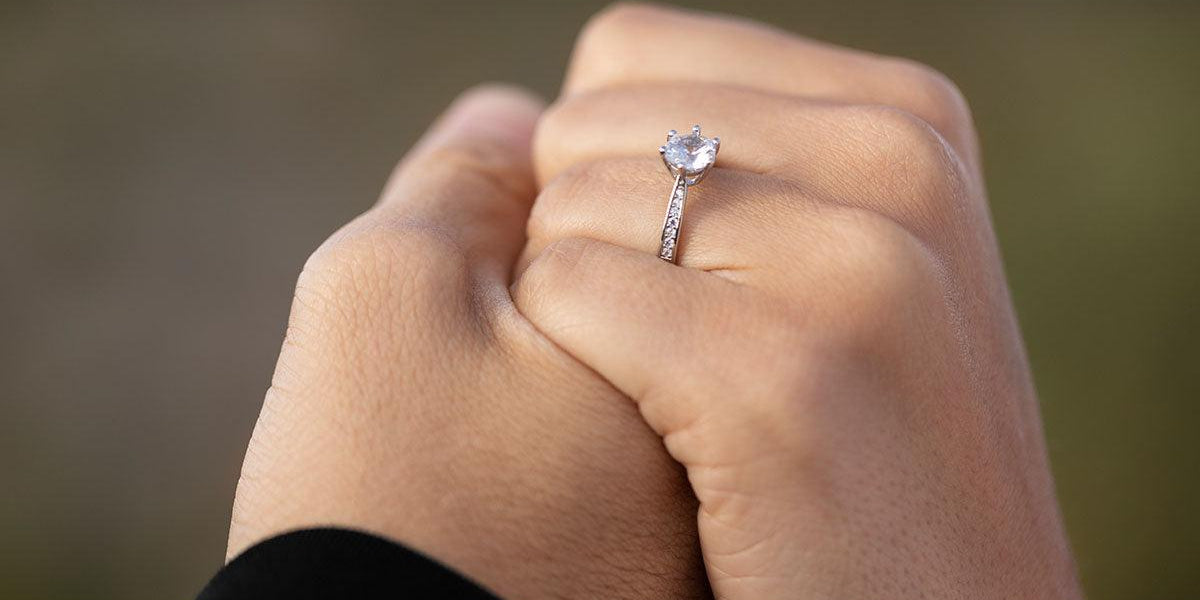
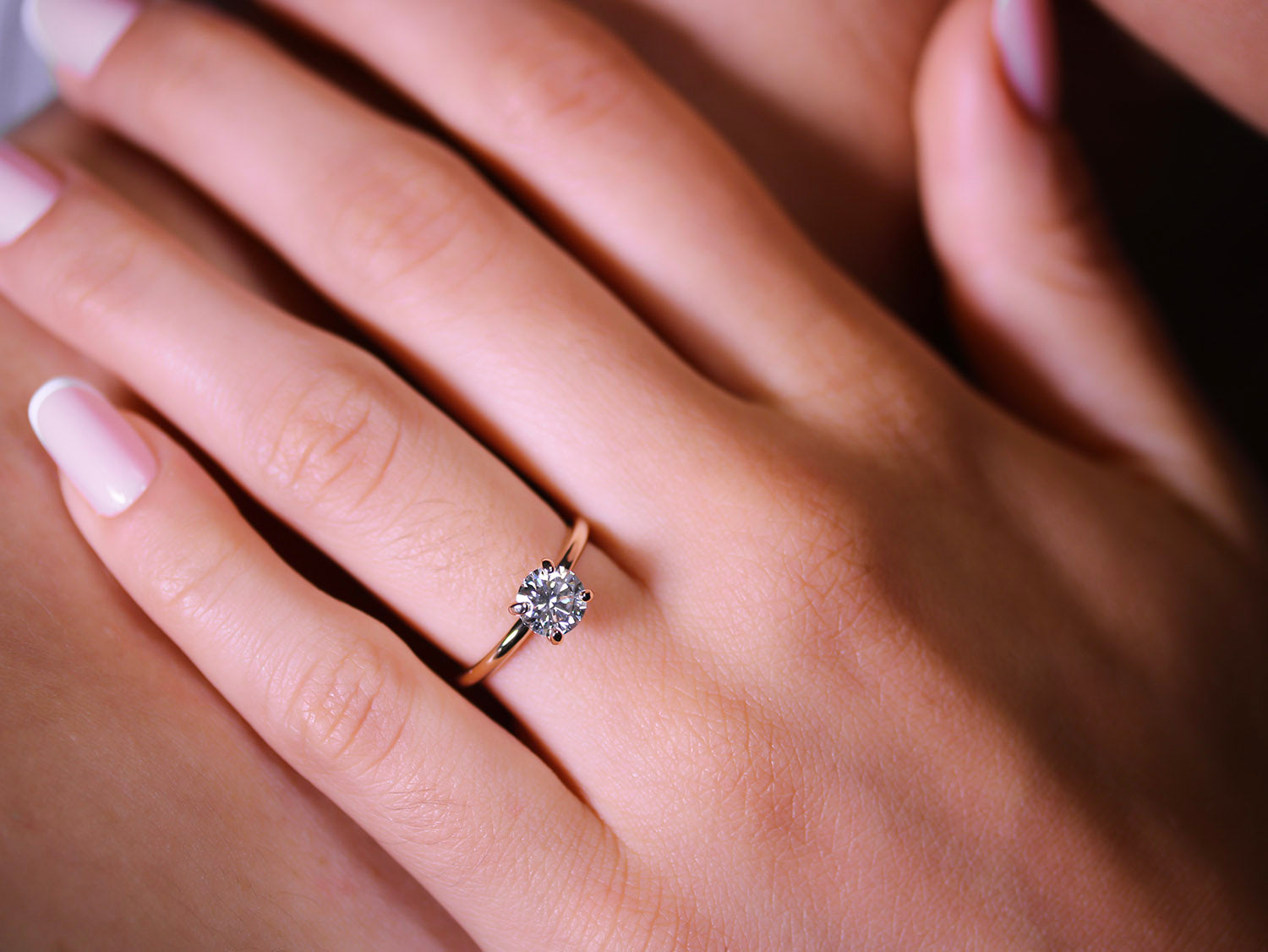
- Solitaire for a clean look
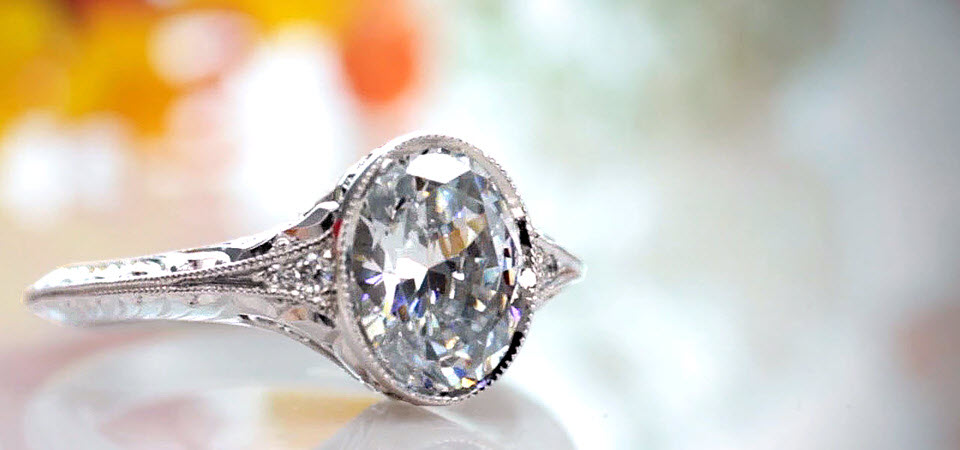
- Vintage styles with detailed bands
Starting with how they look, cushion cuts fit nicely into traditional styles along with newer designs. Their rounded corners give them a flexible feel. Take, for instance, a lab-grown diamond in a cushion shape surrounded by smaller stones – it often looks bigger than the carat number suggests.
Price Expectations and Budget Planning
Money comes first. Split that amount – diamond on one side, setting on the other. Most go 70-30, favoring the stone. Lab-made stones shift the balance. Say funds stay steady – you might lift both pieces, not drop one to raise the other. Quality changes cost, nothing stays flat. Fancy stones shine brighter, yet they ask more from your wallet. Shine isn’t everything – still, a sharper shape catches eyes easier.
Where to Buy and What to Check
When buying, focus on trust and transparency. Check:
- Return policy
- Certification details
- Clear images and videos
- Customer reviews
Skipping unclear ads makes sense. When info is absent, just pass. Say you spot one lacking a grade certificate or sharp photos – better to walk away.
Lab Grown versus Mined Diamonds Side by Side
A different kind of sparkle shows up under the light. Lab created stones come with less price tag yet match exactly in hardness and shine. One gets more stone for each dollar spent this way. Natural gems carry a heavier cost. They link to older traditions. Their availability shrinks over time. What weighs on your mind shapes the pick. Size without spending extra pulls toward manufactured ones. A story behind the gem, its journey from deep earth, tugs some people closer to dug-out stones.
Common mistakes to avoid
Not every buyer takes their time. Poor decisions often follow when haste steps in. Steer clear of these errors
- Focusing solely on carot size
- Ignoring cut quality
- Buying without certification
- Not checking how vendors stack up against one another
A small gem with great craftsmanship often shines brighter than a bigger one sliced carelessly. The way light dances inside depends more on precision than size alone.
Choosing a diamond that fits your needs
Whatever matters most comes first. Think it through – size versus quality, which pulls you more? A clean look or something busier on the stone? Know the amount you will spend, no exceptions. From there, choices get easier. When checking cushion cut engagement rings Australia popular among shoppers in Australia, pay attention to how evenly the parts fit together. These cuts differ in outline, not just sparkle. One shape leans toward boxy, another stretches longer. Take the cushion cut – its squarer form brings tradition, whereas the elongated version hints at today.
FAQs
Are lab grown diamonds durable?
Hard? Just like natural ones. These stand up to everyday use without trouble. Toughness matches what comes from deep underground.
Do lab grown diamonds lose value?
Most of the time, these hold less worth when selling again than natural diamonds do. Choose one depending on how you plan to use it, not what price it might fetch later.
What separates a diamond made in a lab from one pulled out of the ground?
Far from obvious. Special tools are required to spot what sets them apart.