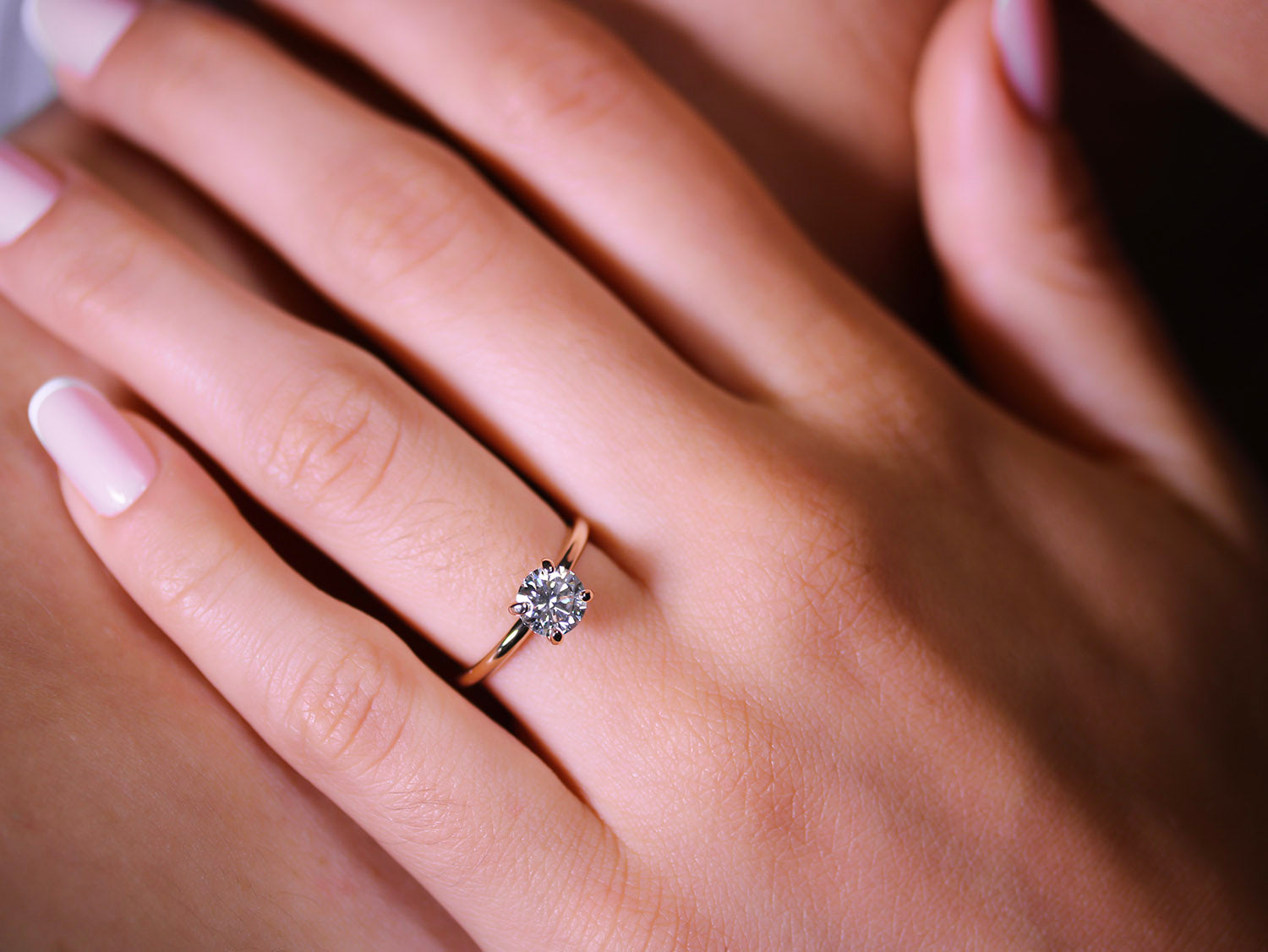

Lab Grown Diamonds What To Consider Before Buying
Here’s something worth thinking about. Value often matters more than sparkle when choosing a stone. Durability plays a big role too, especially over time. Lab created options are getting attention lately because they offer clarity on cost. Maybe that idea has crossed your mind already. A good-looking stone matters. Lasting quality ranks high on the list. Saving money without sacrifice? That plays a role too. Clarity comes from knowing what to pick.
Lab Grown Diamonds Explained
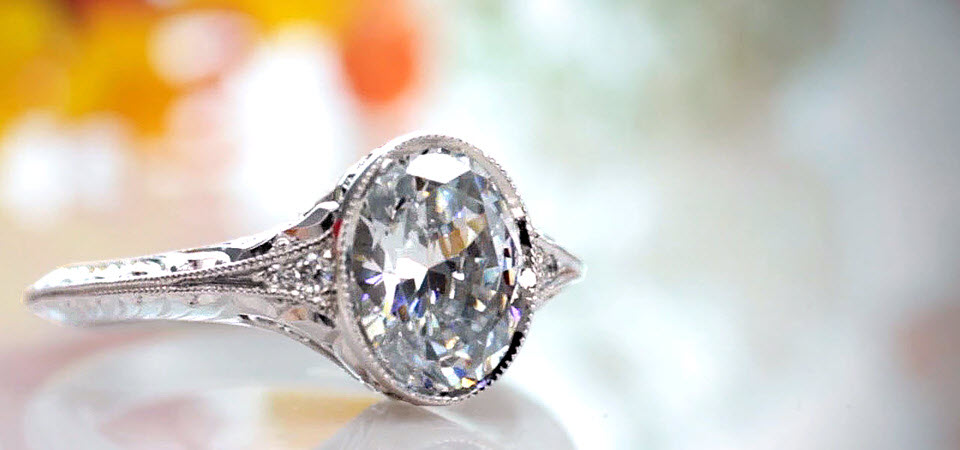
A diamond made in a lab is still a Custom Engagement Ring. Not an imitation, nothing pretend about it. Same atomic setup as one pulled from the earth. What changes is just the origin story – grown above ground instead of dug up. Not formed deep underground across eons, these grow in precise environments. Same substance emerges. Hardness matches exactly. Light plays just as brightly. Clarity reaches identical levels. Picture two stones next to each other – one grown in a lab, one pulled from rock – most eyes see no gap without help.
People Pick Them
A bigger rock at the same cost – that’s where the real win sits. Quality jumps up without spending more. Beyond size, there’s weight in what else matters too.
- Better price for similar quality
- Whatever you need to adjust, it fits. Sharpness stays put however you go. Size bends without breaking things. Clarity does not fade when changes happen. Control holds through every shift
- No mining involved
- Wider design flexibility
Fits well within tight spending plans when crafting a ring. Though limited, they hold their ground where costs matter most.
How Pricing Works
What something costs comes down to what it’s made of, just like regular diamonds. Things like shape, shade, purity, and size play a role. Of those, how it’s shaped makes the biggest difference. Light bounces off nicely when the angles are right. Even a lighter stone can shine more because of that. Imagine light sliding through glass – color steps in when a diamond shows any hint of yellow. The less there’s showing, that shade slipping into view, the rarer it gets. Inside each gem, tiny signs hide – clarity counts these hidden features even if you cannot spot them without help. Weight? That lives in carats, yes, heavier stones demand attention yet price jumps unevenly. Picture two gems – one holds 1 full carat with edges shaped just right, another stretches slightly past at 1.2 but fumbles its sparkle – it wins on size only.
Choosing the Right One
Bigger stones catch eyes, yet shine lab grown diamonds first. Carat grabs attention – true – but light performance matters more beneath the surface. Begin by prioritizing precision in shaping the gem. Spend as much as possible there without compromise. After that step, shift slightly toward softer hues if funds run tight. Clarity tolerates small flaws when brilliance stays strong. Value hides not in weight alone, but how light dances through form.
- Cut: Excellent or Very Good
- Most shades close to clear fit just fine
- Clear enough when it looks clean to the eye
Starting fresh brings clearer visuals. What happens next? The images improve without extra effort. Clearer outcomes appear when you shift how things are shown.
Certification Matters
Start by checking the certificate. What a trustworthy grading report does is show exactly what’s in front of you. Go for stones assessed by well-known labs. Full specifics about the gem must appear in that document. Missing paperwork means believing words alone. Say two diamonds seem alike – one could be clearer than the other. Only certified proof shows which is which.
Designing With Purpose
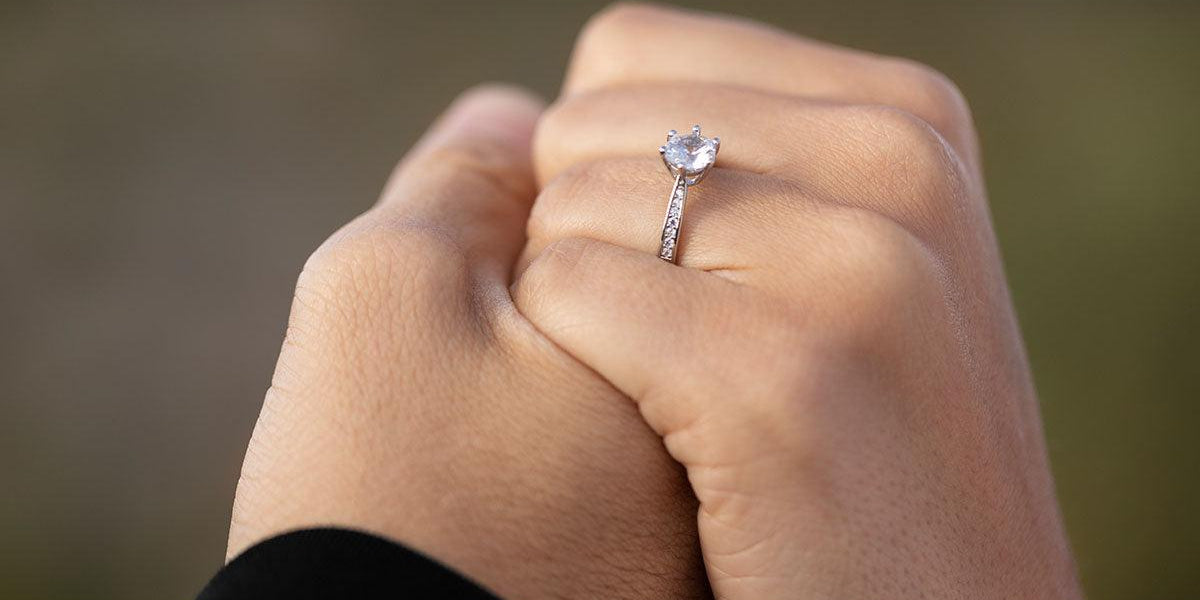
Everyday life shapes how your ring should sit on the hand. Bold height draws eyes, yet it might snag on fabric or edges. Closer to the skin means less risk during routine tasks. Material plays its part too – some stand up to knocks better than others.
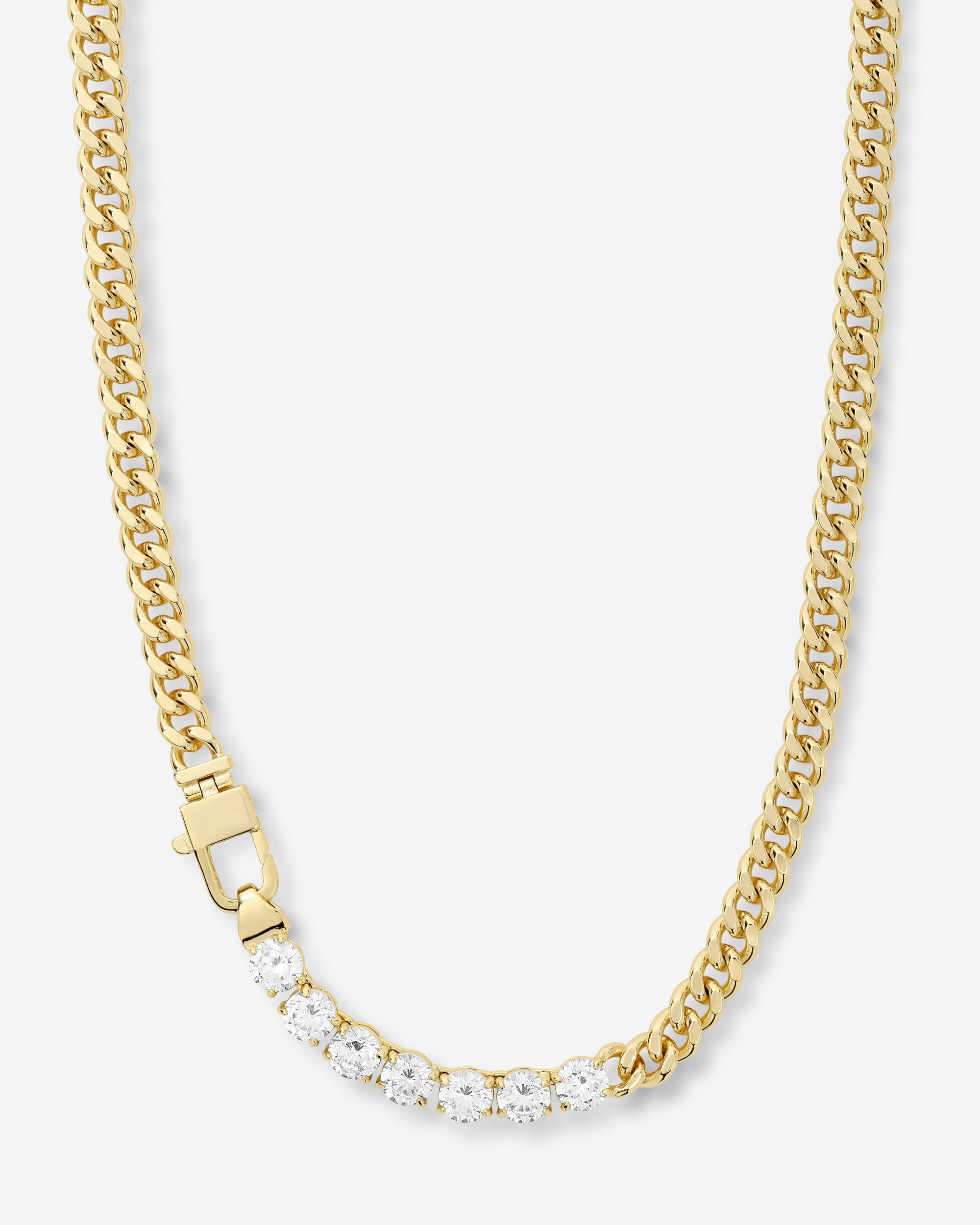
- Shiny yellow metal never goes out of style because it stays clean without much effort
- Platinum is durable and heavier
- White gold needs occasional replating
Fashion bends around how you live. A look lives best when it moves like you do.
Lab grown diamonds in custom rings
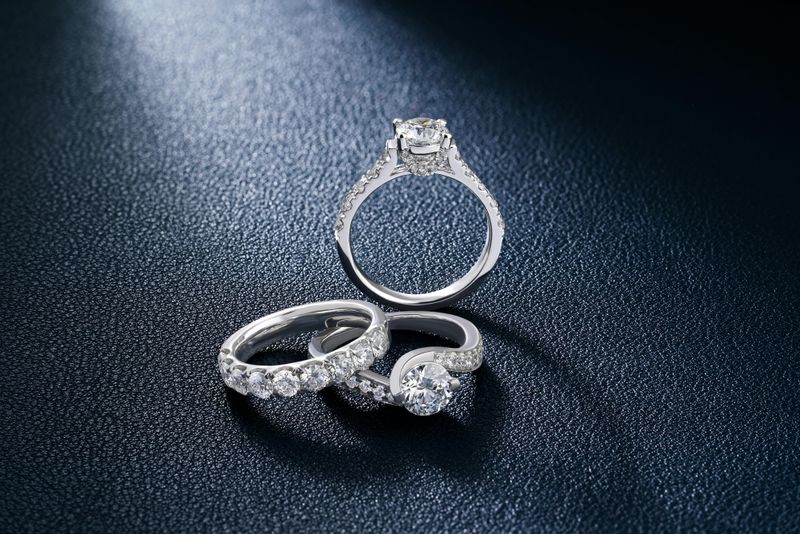
One way to look at it – your money divides into two parts when building a custom ring. Lab diamonds open up room to shift things around. A stronger choice in gem won’t mean cutting corners on craftsmanship. Picture skipping the trade-off where shine wins over structure. Both elements hold their ground now. The finished piece carries that balance right through.
Common mistakes to avoid
People often fixate on a single detail while overlooking everything else. Below is what usually goes wrong.
- Choosing size over cut quality
- Ignoring certification
- Overpaying for clarity that is not visible
- Picking a design that is not practical
Your choice gets easier when you skip these.
Check quality on your own
Start by watching how it behaves when moved. Sunlight shows more than a lamp ever could. Brightness should jump out, not sit flat. Turn it slowly between fingers. Uneven glow means the cut missed its mark. Simple observation catches what machines sometimes miss. A flat appearance under everyday light often means the cut lacks precision. Take a properly cut diamond – it keeps shimmering, even when the room lights are low.
Budget Planning
Pick how much you’ll spend before doing anything else. Split that amount into parts once chosen. Using a basic method gets solid results. That kind of plan often holds up best.
- A little more than half, but less than three quarters, goes to the gem
- Thirty to forty percent goes toward the setup
Start by thinking about what you care most about. When looks come first, put extra funds into the band. Should the gem feel more important, move money away from the frame instead.
Is It the Right Choice for You
What matters most shapes your pick. Go this route if big, clear stones on a tight spend matter. Should heritage or how it formed weigh heavier, natural gems might call louder. Nobody gets it wrong here. Fit beats rules every time.
Final Thoughts Before Your Decision
Start slow. Check each choice against the next. Real pictures tell more than words alone. Get answers before moving forward. Know every part of the cost. Pay attention to how it looks when worn, not just online. Once the foundation makes sense, everything else lines up.
FAQ
Are lab grown diamonds real diamonds?
Fine. Their makeup matches natural stones in every way, down to how they form and react under pressure.
Could these hold up over time like real diamonds do?
True. These hold up just fine when worn every day.
Do folks notice what’s changed?
Only with certain gear can you tell. At first glance, identical.