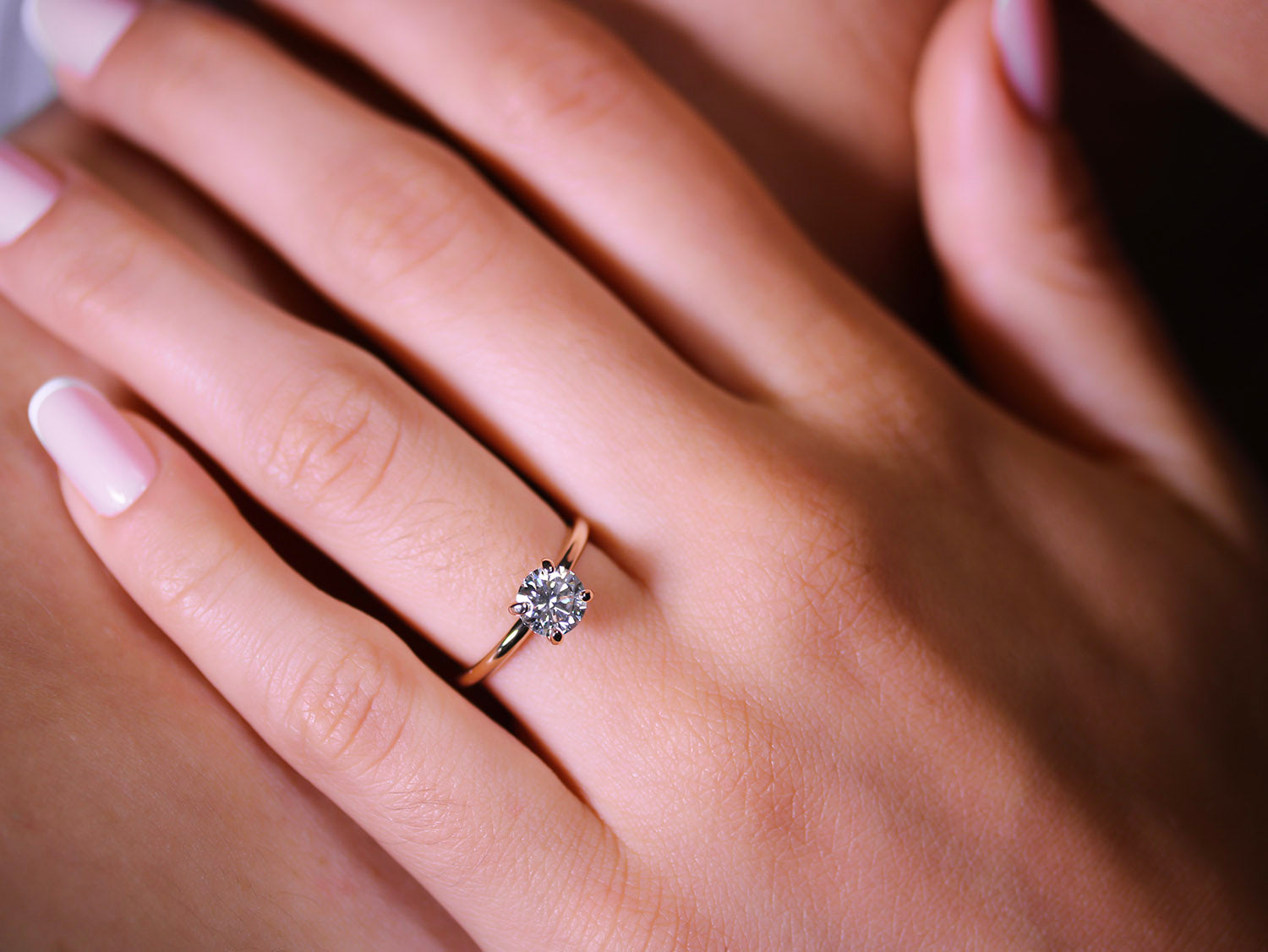

Jewelry often carries meaning beyond its appearance. A well-chosen pair of lab grown diamond earrings can mark a celebration, complete an outfit, or become a piece worn for years. Buyers now have more choices in diamond jewelry, including stones created with advanced technology rather than mined from the earth.
Understanding diamond quality, earring styles, settings, and metals makes shopping much easier. The right pair should balance beauty, comfort, durability, and personal taste without making the buying process confusing.
What Makes Laboratory-Created Diamonds Different?
Laboratory-created diamonds grow under controlled conditions that reproduce the environment needed to form diamond crystal. They have the same basic carbon crystal structure as naturally formed diamonds. Their source and production process are the main differences.
Two common production methods are Chemical Vapor Deposition, or CVD, and High Pressure High Temperature, or HPHT. Both techniques can produce gem-quality diamonds suitable for fine jewelry.
Unlike diamond substitutes such as cubic zirconia, lab grown diamonds are actual diamonds. They can display brilliance, fire, hardness, and other physical properties associated with diamond jewelry.
Independent gemological laboratories can also grade these stones. A grading report may provide information about color, clarity, carat weight, cut, measurements, and other characteristics.
Why Earrings Are a Practical Diamond Jewelry Choice
Diamond earrings work with many clothing styles because they sit close to the face. Small studs can provide subtle sparkle for work, while larger designs may add more presence to evening clothing.
Earrings also offer flexibility for gift buyers. They do not require ring sizing, which removes one common challenge when purchasing jewelry for another person.
Comfort matters just as much as appearance. Lightweight earrings often work better for extended wear, while heavier designs may suit shorter occasions. Buyers should consider both the size of the diamonds and the weight of the setting.
How to Evaluate Lab Grown Diamond Earrings
Choosing lab grown diamond earrings becomes easier after understanding the four traditional diamond quality factors: cut, color, clarity, and carat weight. These characteristics help explain why two similar-looking pairs can have different prices.
Cut and Light Performance
Cut describes how well a diamond’s proportions and facets interact with light. A well-cut stone can appear bright because light reflects through the diamond effectively.
For round diamonds, cut grades can provide useful guidance. Other shapes may require closer attention to proportions, symmetry, and visual appearance.
Because earrings are usually viewed from a moderate distance, strong light performance often matters more than extremely high clarity grades.
Color
Diamond color grades generally measure how noticeable yellow or brown tones appear in a stone. Higher color grades look more colorless, although differences between neighboring grades can be difficult to see without direct comparison.
The earring’s metal can also influence how color appears. White gold and platinum can create a bright, neutral frame. Yellow or rose gold may complement diamonds with slightly warmer tones.
Clarity
Clarity refers to natural-looking internal features and surface characteristics created during diamond growth and finishing. Many inclusions are difficult to see without magnification.
For earrings, buyers often do not need the highest available clarity grade. An eye-clean diamond can provide an attractive appearance without paying for clarity differences that remain invisible during normal wear.
Carat Weight
Carat measures diamond weight rather than physical width. The shape, cut, and proportions affect how large a stone appears from the top.
Earring listings may show total carat weight for the pair. For example, a one-carat-total-weight pair might contain two diamonds weighing about half a carat each. Buyers should check product details to avoid misunderstanding the listed size.
Popular Earring Styles for Different Preferences
Diamond earrings come in many forms. Choosing a style depends on how often the earrings will be worn and how noticeable the wearer wants them to appear.
Classic Studs
Stud earrings remain one of the most versatile options. A single diamond sits near the earlobe, creating a clean appearance that works with casual and formal clothing.
Round brilliant diamonds are common in studs because they offer strong sparkle. Princess, oval, emerald, cushion, and pear-shaped stones can provide a more distinctive look.
Three-prong, four-prong, and bezel settings are common choices. Prongs expose more of the diamond, while bezel settings place a rim of metal around the stone for additional protection.
Halo Designs
Halo earrings surround the center stone with smaller diamonds. This design can create a larger visual presence while adding extra sparkle around the main diamond.
Some halos have a traditional circular shape. Others follow the outline of oval, cushion, pear, or other center stones.
Hoops
Diamond hoops range from small everyday styles to larger statement pieces. Stones may cover the front section or continue around much of the hoop.
Buyers should pay attention to hinge quality and closure security. A reliable clasp helps reduce the chance of losing an earring during regular use.
Drop and Dangle Earrings
Drop earrings hang below the earlobe and can create more movement. They often suit formal events, weddings, dinners, and occasions where a more decorative design feels appropriate.
Longer designs need careful weight consideration. An attractive earring may become uncomfortable if it pulls heavily on the earlobe.
Choosing the Right Metal
The setting metal affects appearance, durability, maintenance, and price. Popular options include platinum, white gold, yellow gold, and rose gold.
Platinum has a naturally white appearance and is valued for durability. Gold offers more color choices and is commonly available in 14-karat and 18-karat varieties.
White gold may receive rhodium plating to create a bright white surface. That finish can gradually wear, so occasional replating may be needed.
People with sensitive skin should also check the complete metal composition. Certain alloys can cause irritation for some wearers.
Matching the Two Diamonds
A good pair of earrings should look balanced. Sellers generally match the stones for visible characteristics such as size, shape, color, clarity, and cut quality.
Perfect numerical matching is not always necessary. What matters most is whether both stones appear similar when worn.
Buyers should review measurements as well as carat weights. Two diamonds with equal weights can look slightly different if their proportions vary.
Certification and Product Information
A grading report provides useful information when purchasing higher-value diamond earrings. Established gemological laboratories can document characteristics such as carat weight, color, clarity, and measurements.
However, certification should not replace visual evaluation. Buyers should also examine product images, videos, setting construction, return conditions, warranty coverage, and seller policies.
A clear product description should state whether the listed carat weight refers to each diamond or the total pair. It should also identify the metal type and diamond shape.
Budgeting Without Paying for Invisible Differences
Jewelry buyers can often create a better budget by focusing on qualities visible to the eye. Paying for extremely high clarity may offer limited visual benefit in earrings that people normally view from several feet away.
Diamond size also affects price. Instead of selecting the largest available stones, consider how the earrings fit the wearer’s face, lifestyle, and usual clothing.
Setting complexity influences the final cost as well. A simple stud normally requires less metalwork than an elaborate halo or drop design with many smaller stones.
Caring for Diamond Earrings
Diamonds can collect oils from skin, hair products, makeup, and lotions. This buildup may reduce their visible sparkle even if the stones remain undamaged.
For routine cleaning, use warm water, mild dish soap, and a soft brush when the jewelry maker recommends this method. Rinse carefully and dry the earrings with a soft, lint-free cloth.
Check prongs, backs, and clasps regularly. A loose setting can increase the risk of losing a diamond.
Store earrings separately from other jewelry. Although diamonds resist scratching, they can scratch softer gemstones and metals if pieces rub together.
Questions to Ask Before Buying
Before purchasing lab grown diamond earrings, consider how often they will be worn. Daily earrings usually benefit from secure settings, comfortable backs, and a size that does not interfere with work or other activities.
Also check the return policy before ordering. Seeing jewelry in person can feel different from viewing enlarged photographs online, so a reasonable return window can be valuable.
For gifts, consider the recipient’s existing jewelry. Their preference for white, yellow, or rose-colored metals can provide useful guidance when choosing a setting.
Finding a Pair That Fits Your Style
A successful purchase does not depend on selecting the highest grade in every category. It depends on finding diamonds that look attractive, sit comfortably, and fit the intended budget.
Compare cut quality, visible clarity, color, size, setting security, and metal before making a decision. Buyers interested in lab grown diamonds should also review grading information and seller policies rather than relying only on promotional descriptions.
The best earrings should suit the person who will actually wear them. Whether the choice is a simple stud, elegant halo, modern hoop, or graceful drop design, thoughtful comparison can lead to jewelry that remains useful and enjoyable for years.