
The Lasting Appeal of White Gemstone Jewelry
White gemstones have a quiet elegance that works across different jewelry styles. Their neutral appearance complements almost every metal, outfit, and occasion. From delicate engagement rings to statement earrings, colorless stones offer plenty of design flexibility.
Among the available options, white sapphire has become an appealing choice for people who appreciate understated beauty. Its transparent appearance, natural origin, and impressive durability make it suitable for everyday jewelry. It also offers a different look from traditional diamond settings.
However, choosing the right gemstone involves more than appearance. Factors such as hardness, brilliance, clarity, maintenance, and budget all influence how a piece performs over time.
What Makes White Sapphires Special?
Sapphire belongs to the corundum mineral family, which also includes ruby. Although blue is its best-known color, sapphires occur in several shades, including pink, yellow, green, and colorless varieties.
A colorless sapphire has a clean, understated appearance. Unlike a diamond, it generally produces less intense sparkle and more subdued light reflections. This creates a softer aesthetic that many jewelry enthusiasts prefer.
Durability for Everyday Wear
One of sapphire’s biggest advantages is its hardness. According to the Gemological Institute of America (GIA), corundum ranks 9 on the Mohs hardness scale. This makes it one of the hardest natural gemstones available for jewelry.
That durability makes it suitable for engagement rings, wedding bands, pendants, and frequently worn earrings. However, hardness does not make a gemstone impossible to damage. Strong impacts can still cause chips, particularly around exposed corners or thin settings.
Appearance and Cut
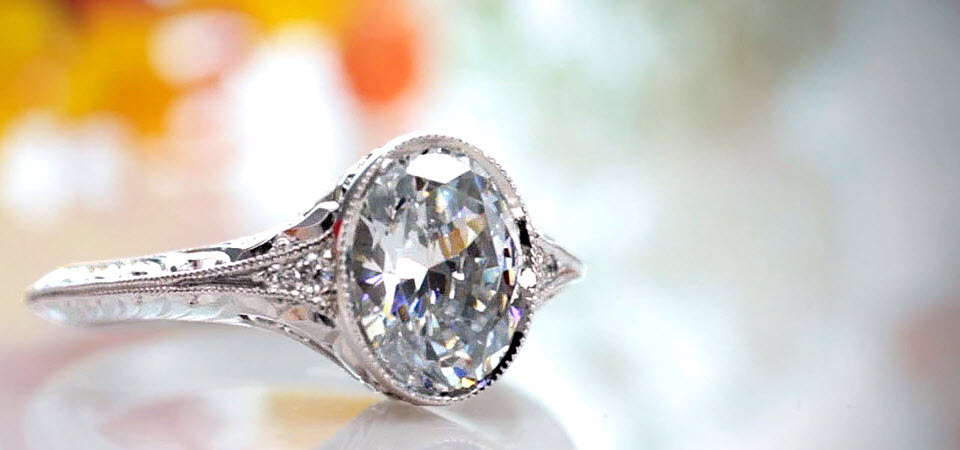
The cut plays a significant role in how a colorless stone looks. Oval and round cuts create different visual effects, while emerald and cushion cuts offer a more structured appearance.
A well-proportioned cut helps the stone reflect available light. Clarity also matters because visible inclusions can affect its transparency. Buyers should examine the gemstone under different lighting conditions before making a decision.
Comparing Natural and Laboratory-Created Diamonds
Diamonds remain popular because of their exceptional brilliance and durability. However, consumers now have more choices than traditional mined stones.
The growing availability of man made diamonds has introduced another option for people seeking diamond jewelry. These stones are produced using advanced laboratory processes, primarily high-pressure, high-temperature (HPHT) and chemical vapor deposition (CVD).
Laboratory-grown diamonds have essentially the same chemical composition, crystal structure, and optical properties as natural diamonds. Their origin differs, rather than their fundamental identity as diamonds. Specialized gemological equipment can distinguish between the two.
White sapphire and laboratory-grown diamonds serve different preferences. Sapphire offers a softer sparkle and a distinctive gemstone identity. A laboratory-grown diamond provides the characteristic brilliance and hardness associated with diamond jewelry.
Neither option is automatically better. The right choice depends on personal taste, desired appearance, and spending priorities.
Choosing the Right Setting and Metal
The metal surrounding a gemstone can change the overall appearance of a jewelry piece.
- White gold: Creates a coordinated, cool-toned appearance that suits colorless gemstones.
- Platinum: Offers durability and a naturally white finish, making it popular for engagement rings.
- Yellow gold: Provides contrast and adds warmth to transparent stones.
- Rose gold: Creates a softer, romantic appearance that works well with minimalist designs.
The setting also deserves attention. Prong settings allow more light to reach the gemstone, while bezel settings surround its edges with metal. The latter offers additional protection against everyday knocks.
For someone with an active lifestyle, a protective setting may be more practical than a delicate design with exposed edges.
Care and Maintenance for Lasting Beauty
Regular cleaning helps preserve the appearance of fine jewelry. Warm water, mild dish soap, and a soft brush are generally suitable for sapphire jewelry.
Avoid harsh chemicals, abrasive cleaners, and sudden temperature changes. Store individual pieces separately to reduce contact scratches from other jewelry.
It is also worth arranging occasional professional inspections. A jeweler can check loose prongs, worn settings, and other problems before a gemstone becomes dislodged.
When purchasing, ask about gemstone origin, treatments, and any available laboratory documentation. GIA reports can help identify whether a sapphire is natural or laboratory-grown and disclose detectable treatments.
Making a Choice That Reflects Your Style
Jewelry should reflect personal preferences rather than follow a particular trend. Some people appreciate the softer character of colorless gemstones, while others prefer the unmistakable brilliance of diamonds.
Before purchasing, consider how frequently you will wear the piece, which setting suits your routine, and what appearance you want to achieve. Comparing stones in person can also reveal differences that photographs often hide.
For buyers considering man made diamonds or natural alternatives, transparency about origin and gemstone characteristics should remain a priority. A carefully selected stone, paired with a durable setting, can become a meaningful part of a jewelry collection for years.