
- A diamond purchase often starts with appearance, but the decisions that matter most sit beneath the surface. Cut quality, grading, proportions, setting construction and the way a ring will be worn can all affect whether a piece still feels right years after it was ordered.
The Novita lab grown diamonds NZ story fits into a broader change in how New Zealand shoppers research diamond jewellery. Lab-grown stones give buyers another diamond-origin option while leaving many of the familiar purchasing questions intact. A beautiful ring still depends on selecting the right stone, understanding its grading report and pairing it with a setting suited to everyday wear.
That distinction is useful because lab-grown origin should not become a shortcut for judging quality. Two diamonds of the same stated carat weight can look noticeably different once cut, proportions, colour and clarity are considered.
What Lab-Grown Origin Actually Tells a Buyer
Lab-grown diamonds are created in controlled environments rather than extracted from the earth. They have the same fundamental crystal material as mined diamonds, but their origin is different.
For a shopper, that means the purchasing process should still involve careful evaluation rather than relying on the word “lab-grown” alone.
A sensible comparison includes cut quality, carat weight, colour, clarity and the stone’s measurements. A grading report from a recognised independent laboratory can provide useful documentation of these characteristics and identify the diamond as laboratory-grown.
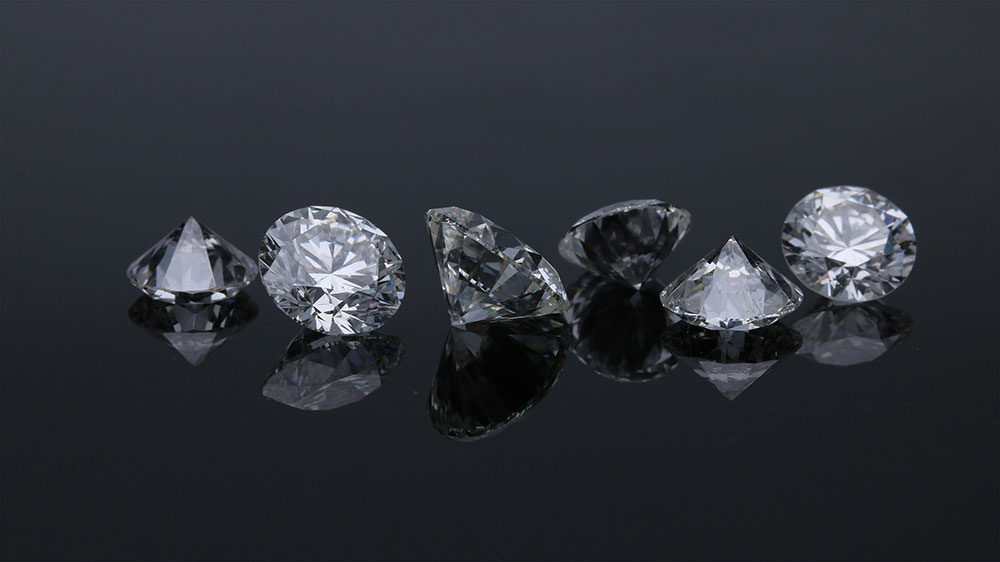
New Zealand buyers researching lab diamonds can therefore benefit from comparing individual stones rather than treating every diamond with the same grade or carat figure as interchangeable.
Carat Weight Does Not Tell the Whole Size Story
Carat measures weight rather than visible dimensions. This becomes particularly relevant when comparing stones online.
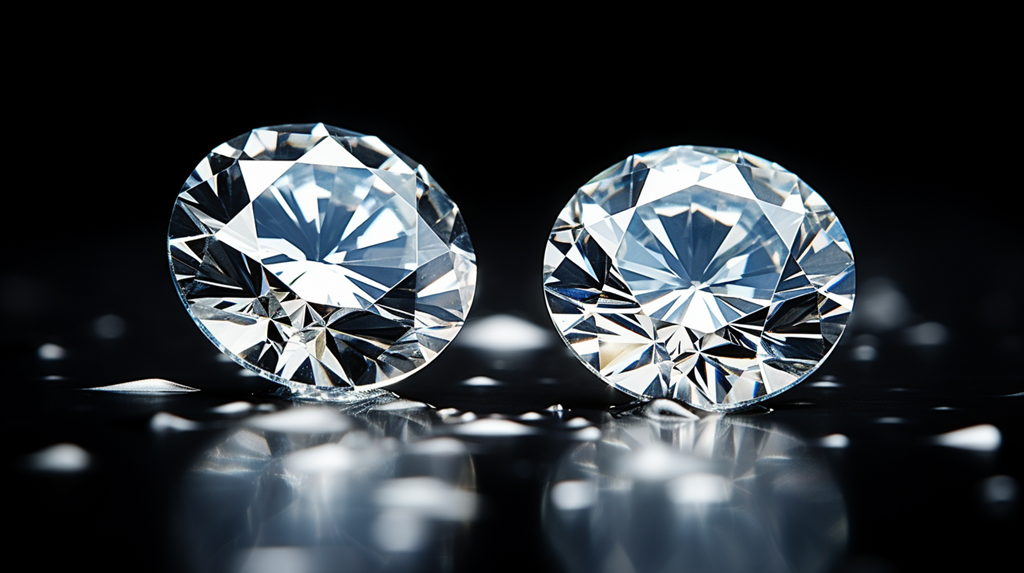
Two diamonds with the same carat weight can have different face-up measurements because their proportions distribute weight differently. A stone carrying excessive weight in its depth may appear smaller from above than another diamond of equal carat weight with more balanced proportions.
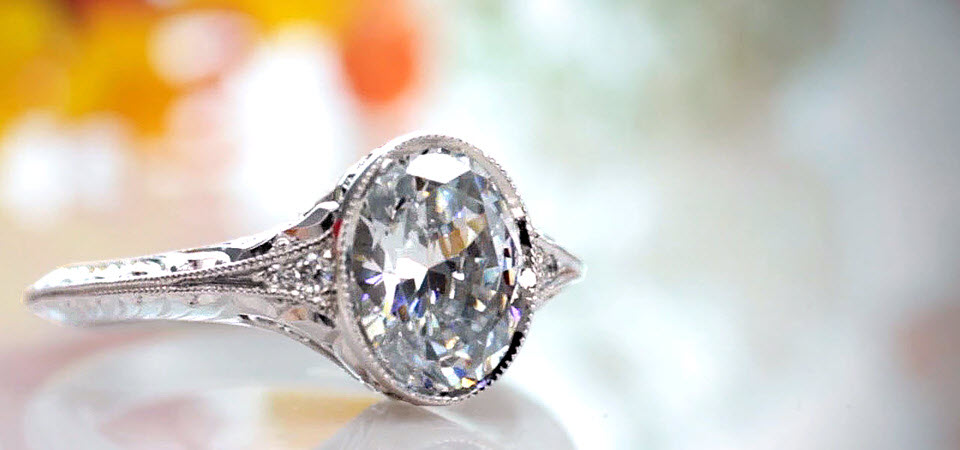
Shape adds another layer to the decision. Oval, pear, emerald and marquise cuts can create different visual impressions from round diamonds at comparable weights.
For elongated shapes, length-to-width ratio deserves attention. It influences whether an oval appears slender or rounded, whether an emerald cut looks broad or narrow, and how the stone relates to the wearer’s finger.
Rather than shopping by carat alone, compare the actual millimetre measurements listed with the diamond.
Where Cut, Colour and Clarity Priorities Can Shift
Allocating a jewellery budget evenly across every grade is rarely necessary. Some characteristics have a stronger visual effect than others.
For round brilliant diamonds, cut deserves particular attention because proportions and facet relationships influence brightness and light return. A larger diamond with less appealing cut characteristics may be less visually satisfying than a slightly smaller stone with stronger performance.
Colour choices can also depend on the setting. A diamond placed in yellow or rose gold is viewed beside a warmer metal, while white gold and platinum create a cooler visual frame.
Clarity presents a different trade-off. Buyers do not necessarily need to pursue the highest available clarity grade if a lower-graded diamond has no inclusions that are distracting in ordinary viewing. The location and nature of inclusions can matter alongside the grade itself.
The practical goal is not to maximise every specification. It is to understand which characteristics are visible and which are primarily documented on paper.
The Setting Changes How the Diamond Lives on the Hand
The Novita lab grown diamonds NZ story is also relevant to design research because choosing the centre stone is only part of an engagement ring purchase. Setting construction affects appearance, maintenance and day-to-day practicality.
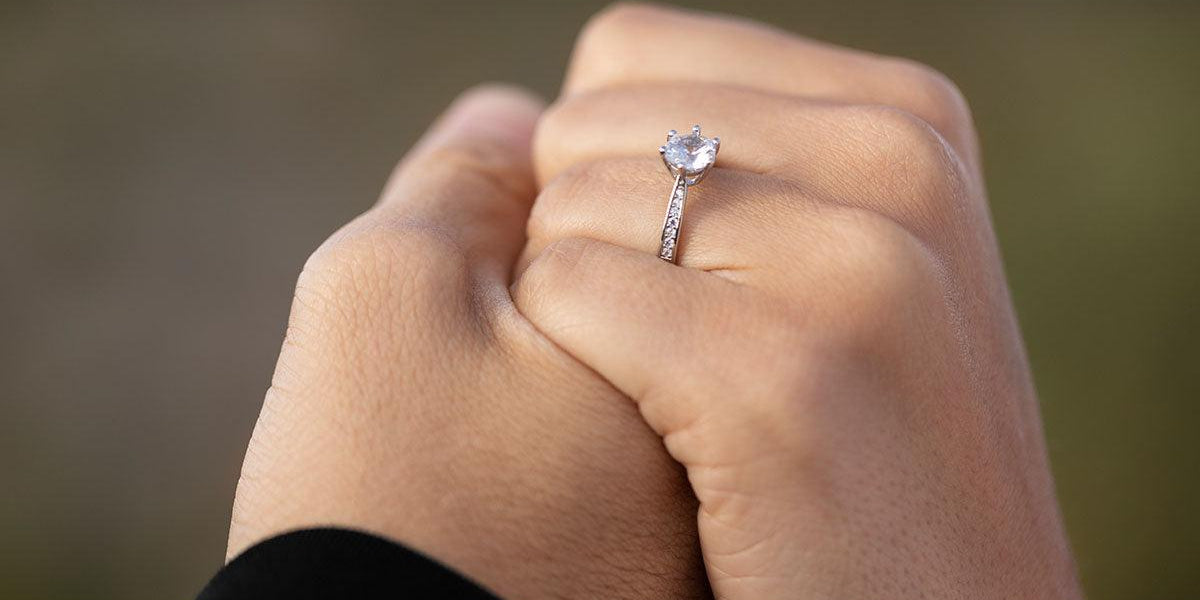
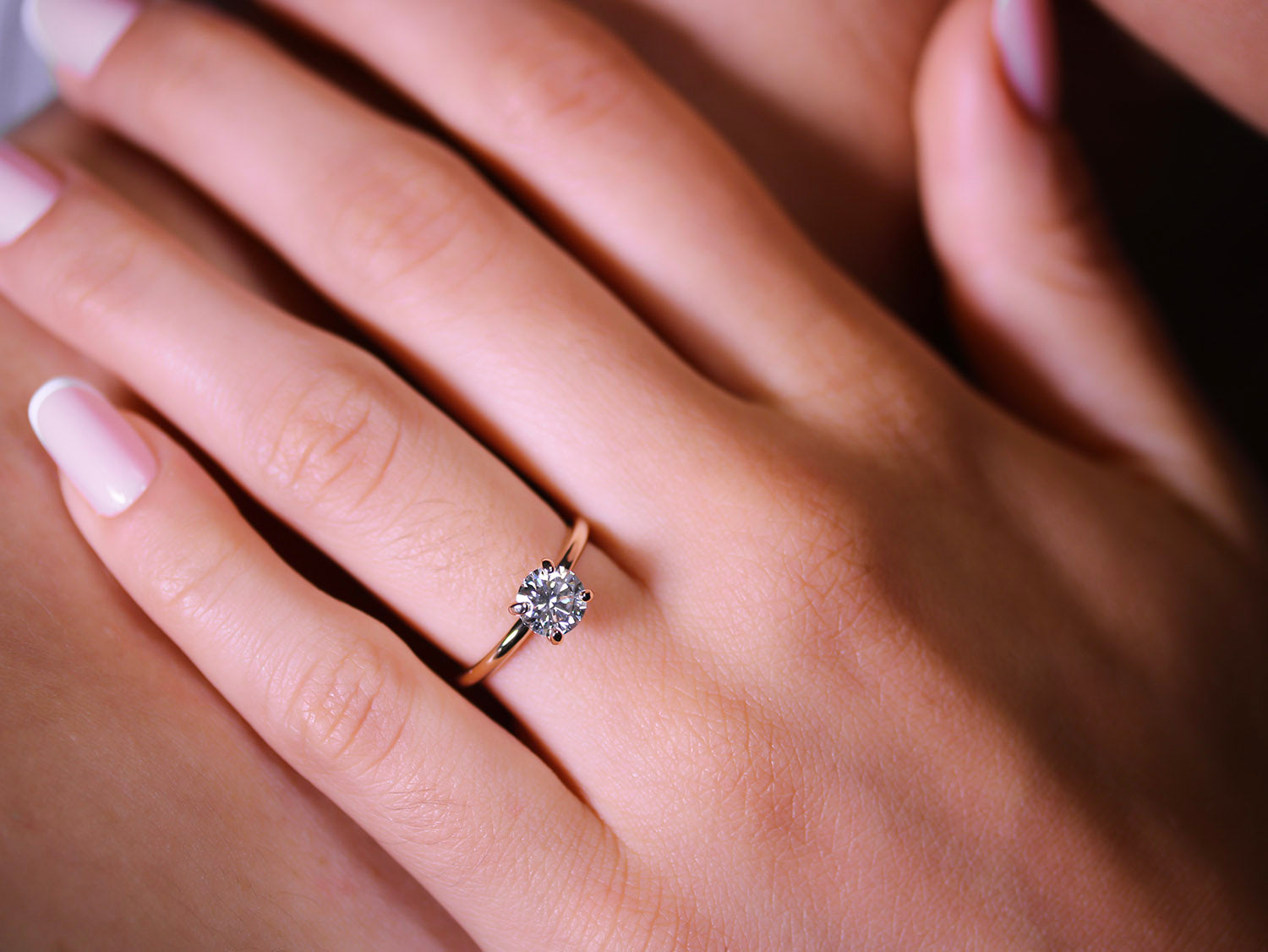
A classic prong setting exposes more of the diamond and can create a light, open appearance. It also means the prongs should be inspected periodically, particularly on a ring worn daily.
Bezel settings surround more of the stone’s edge with metal. Their smoother profile can appeal to people who frequently use their hands or prefer fewer exposed edges.
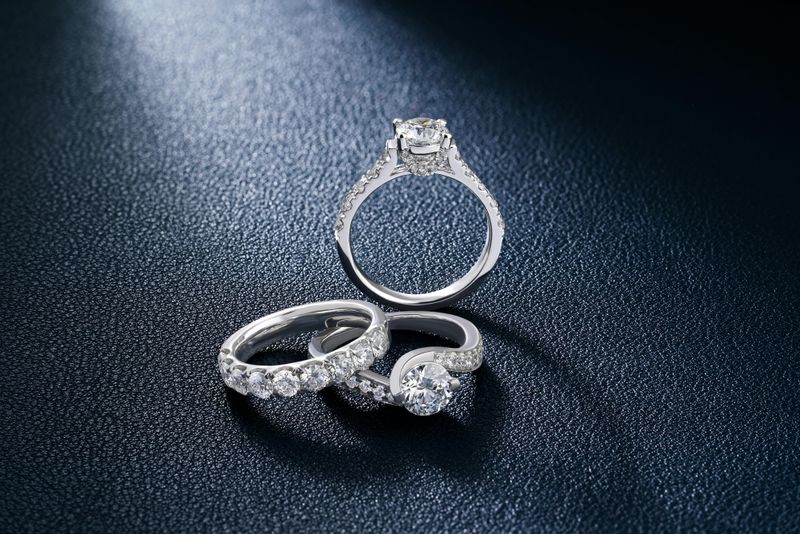
Pavé details introduce additional sparkle but add small stones and settings that require care. Hidden halos provide decoration beneath the centre diamond without creating the broader face-up appearance of a conventional halo.
Setting height matters too. A high-set centre stone may create room for a wedding band to sit closely beside the engagement ring, but it can also project farther from the finger. A lower setting may feel more practical while creating a gap with some wedding-band designs.
Metal Choice Should Match More Than Colour Preference
Platinum, white gold, yellow gold and rose gold create different visual effects, but maintenance and construction also deserve consideration.
White gold is commonly chosen for its bright appearance and may require periodic attention to maintain its surface finish depending on the alloy and treatment. Platinum develops its own wear pattern over time and has different material characteristics from gold.
Yellow and rose gold can provide intentional contrast with a colourless or near-colourless centre stone. They may also allow buyers to concentrate their diamond budget differently rather than automatically pursuing a very high colour grade.
The setting and metal should be considered together. Delicate-looking prongs, thin bands and intricate pavé details may create a refined appearance, but jewellery intended for daily wear still needs enough structural integrity for its design.
What to Check Before Ordering in New Zealand
Online diamond shopping makes detailed comparison possible, but it places more responsibility on the buyer to inspect specifications carefully.
Before placing an order, check:
- the diamond’s grading laboratory and report details;
- carat weight alongside actual millimetre measurements;
- cut information and proportions relevant to the chosen shape;
- colour and clarity rather than carat size alone;
- ring size and available resizing options;
- setting height and wedding-band compatibility;
- the precious metal and its maintenance requirements;
- delivery, returns, warranty and after-sales policies applicable to New Zealand orders.
For fancy-shaped diamonds, images or videos can also be useful because a grading report cannot fully communicate visual characteristics such as the outline of an oval or pear-shaped stone.
Build the Ring Around Real Wearing Habits
The most useful engagement ring specification is one connected to the person who will actually wear it.
Someone who works frequently with their hands may prefer a lower-profile design with fewer exposed details. A buyer who wants a flush wedding-band pairing should examine the engagement ring’s basket and setting height before ordering. Someone drawn to a larger visual spread may want to compare diamond dimensions and elongated shapes rather than simply increasing carat weight.
The Novita lab grown diamonds NZ story is most useful when viewed through this practical lens: diamond origin is one part of the decision, while grading, proportions, setting construction and personal design priorities determine much of the finished ring experience.