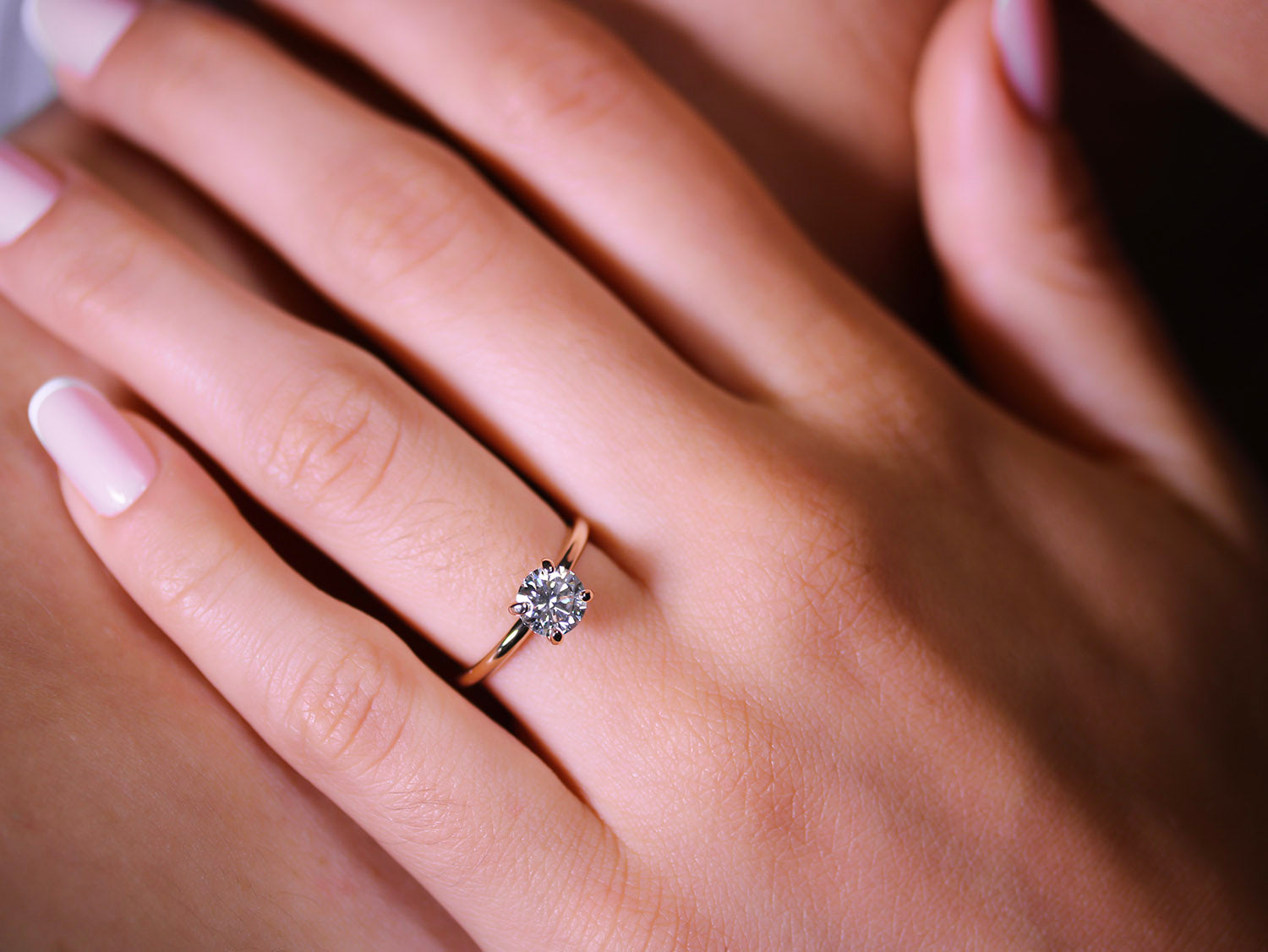

Lab Grown Diamonds Reshape Jewelry Trends
Most folks think of proposals when they hear about diamonds. For decades earth-mined gems ruled the market by default. Yet today shoppers care more about origin price tags and production methods. Because of that change synthetic versions now compete closely with traditional picks for those seeking value alongside brilliance. What comes from a laboratory isn’t imitation. A lab diamond forms through precise tech instead of deep underground forces. Same sparkle, identical toughness, just made above ground now. Its atoms line up exactly like those pulled from earth pits. What sets it apart comes down to where it began. Shoppers often come across them when looking into ring choices. A shiny rock matters, yet price still counts. Traceable origins? That matters to some folks. Bigger size for the same cash draws others in. It boils down to real benefits, not flashy stories. Flexibility shows up more here. Clear facts come along with it. Value tends to land higher, most times.
Lab Grown Diamonds How They Are Made
Most vintage engagement rings uk from just two ways. One of them squeezes carbon hard with heat, like Earth once did. The other grows stones by guiding gas onto a surface slowly. Each copies deep underground conditions found in nature. Deep underground forces bake carbon, squeezing it till it hardens into diamond forms. Once formed, these gems get shaped, smoothed, then sorted just like those pulled from mines. At first glance, you cannot tell which came from earth and which emerged on a lab bench. Experts assess each using identical rules, whether dug up or built step by step.
Diamond Grading Still Matters
Even if the diamond’s origin is clear, its quality demands careful scrutiny. What matters most shows up under close inspection. A stone’s source won’t hide flaws that affect appearance. Where it was mined means little when brilliance falls short. Paying attention reveals what origins can’t tell. Quality speaks louder than geography ever could.
- Cut affects sparkle and light reflection
- Color measures how white or tinted the diamond appears
- Clarity refers to internal marks or inclusions
- Carat measures weight and size
A rough-shaped gem loses sparkle, no matter if it comes from earth or lab. When the angles align just right, light bounces back strong instead of slipping away. Take a one-carat rock shaped with care – its shine usually beats a bigger stone that misdirects every beam.
Buyers Focus on Cost
Price tags often shape decisions when shopping around. Mining logistics plus store profits have driven natural diamond costs for ages. Growing gems in labs shifts how things work now. Often those man-made versions sell way below earth-dug ones just like them. Choices open up because of this gap. It might let you stretch further without losing quality
- Choose a larger center stone
- Change how sharp the image looks
- Stay within budget without lowering standards
- Spend more on custom design work
Here’s why it counts: money set aside for rings has limits. Emotional meaning often shares space with bank account facts. A few choose smaller costs to feed vacation funds or mortgage payments. For some, looking like they have a bigger gem makes sense when avoiding loans feels right. Picking what matters most becomes possible once pricing isn’t calling the shots.
What To Consider Before Purchasing
A shopper might overlook key differences between jewelers. Look past sparkle when choosing – where it’s sold matters just as much. What happens after purchase can change everything.
Check Certification
Start by checking if the diamond comes with a report from a lab made diamonds. When a stone is certified, its traits are officially documented. Names like these pop up often when people talk about reliable graders
- IGI
- GIA
- GCAL
Proof of qualification keeps things clear when words get stretched too thin. A stamp on paper blocks empty promises before they stick.
Study the Cut First
Carat size grabs most people’s eyes first. Yet the way a stone is shaped matters far more. Light bounces back better when the angles are right. That bounce gives it sparkle few notice but everyone sees. Size shrinks in importance once light dances across its surface just so.
Understand Metal Choices
Picking how the stone sits can change everything – almost like choosing the gem itself. Common styles people go for are these
- Yellow gold
- White gold
- Rose gold
- Platinum
Old-fashioned rings shine brighter when set in yellow gold, since the warm tones bring out carved details and classic shapes. When strength matters just as much as a sleek, icy look, platinum fits naturally into the picture.
The Connection Between Old Style Designs and Today’s Diamonds
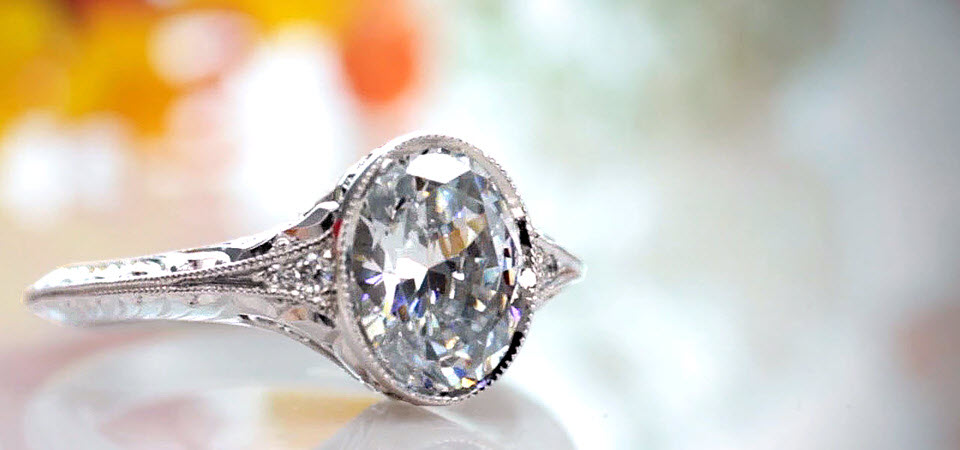
Older ring designs from the UK attract more than nostalgia. What draws folks isn’t just age, but hands-on making you can feel. Details matter most in these styles. Look closely and patterns emerge – filigree edges, carved shoulders, stones set by hand
- Milgrain edges
- Filigree metalwork
- Floral motifs
- Halo settings
- Art Deco geometry
Old-world charm meets sharp new sparkle when classic settings hold today’s diamonds. Not just pretty – these stones bring reliability into the mix. Buyers drawn to history find what they need here, yet nothing feels fragile. Picture an oval gem surrounded by intricate metalwork; it whispers age but shines bright like morning.
online shopping shifts market dynamics
These days, shopping for diamonds on the web feels less risky. Clear photos, detailed clips, or certified reports help show exactly what you get. Retailers working online usually include:
- 360-degree diamond videos
- Detailed specifications
- Custom setting previews
- Price comparison tools
Most shoppers find it easier to take charge this way. Comparing sizes, material standards, or costs happens free from pushy store employees. Even so, pay close attention to how returns work. Look for businesses that offer trial windows and straightforward delivery rules.
Lab Diamonds Durability for Everyday Use?
True. Lab grown diamonds score just as high on the Mohs hardness scale compared to natural ones. So they handle scratches and everyday use about the same. How long it lasts can come down to how the ring is built, though. A delicate band or a setting that sticks out might need extra attention, no matter what gem you choose. Taking simple steps helps – like cleaning it now and then
- Cleaning the ring regularly
- Removing it during heavy manual work
- Checking prongs once or twice a year
Small actions keep the look intact over time. A steady routine maintains how things feel around here. Things stay put when handled with care each day. What you see now sticks around through quiet effort. Little by little, consistency holds the scene just right.
Resale Value Over Time
Most people wonder if man-made diamonds keep their worth similar to natural ones. It becomes relevant when treating rings or necklaces as something that might grow in value. Typically right after buying any diamond at a store it drops in price regardless of its origin. Buying gems usually works best when focused on meaning rather than profit. What truly counts is deciding if what you pay feels fair based on your own needs. A smaller price at the start can feel like a win when the ring looks just right. For plenty of people, what the band represents weighs heavier than its future sale value.
Customization simpler now
These days, creating a custom ring isn’t just for high-end boutiques. More jewellers offer ways to tweak the setting size, gem shape, and layout through websites. Pick what fits your taste – options are built into digital tools
- Diamond shape
- Band width
- Prong style
- Hidden accents
- Engraving details
Picture a ring that feels old-fashioned but doesn’t look like everyone else’s. With custom pieces, today’s shapes can wear yesterday’s details like a second skin.
Buyers Common Questions
Do laboratory diamonds look different from mined diamonds?
Wrong. Identical looks, identical makeup. Without expert tools, spotting a gap isn’t something most manage.
Can you insure a lab-created diamond ring?
Of course, lab-grown diamonds get covered just like natural ones by many insurance providers – provided there’s clear paperwork backing up the piece. The key? Solid records make all the difference when protection kicks in.
Every day life fit with old-fashioned looks?
Most times it holds up fine, provided the craftsmanship is solid. When settings are sturdy, delicate details tend to stay intact through regular wear. Tough materials make a difference, linking directly to how well the piece survives everyday knocks.